You already know social media matters. The question isn’t whether to show up, it’s how to do it in a way that actually moves the needle without consuming every spare hour you have.
The good news is that you don’t need to be everywhere. You need to be in the right places, showing up consistently with content that your specific audience actually wants to see. Here’s how to figure out what that looks like for your business.
Why Social Media Is Worth Your Time
Social media isn’t just a place where people post vacation photos and argue about things. For small businesses, it’s one of the most cost-effective ways to build brand awareness, stay top-of-mind with existing customers, and reach new ones who would never have found you otherwise.
Some goals you can accomplish through a thoughtful social media presence:
- building awareness with an audience that doesn’t know you yet
- deepening relationships with customers who already do
- driving traffic back to your website
- promoting new products or services
- creating a community around what you offer
Not every business needs to accomplish all of these. But most businesses can benefit from at least a few of them.
Start Here: Pick Two or Three Platforms
There are hundreds of social media platforms. You do not need to be on all of them, and trying to be will only result in mediocre content everywhere and burnout for you.
The better approach is to figure out where your target customers actually spend their time online and focus your energy there. Think about who your ideal customer is: their age range, what they’re interested in, what problems they’re trying to solve, and how they prefer to consume content. That profile will point you toward the right platforms pretty quickly.
Here’s a breakdown of the major platforms worth considering and what actually works on each one.
Best for: Product-based businesses, service businesses with visual offerings, lifestyle brands, local businesses, and anyone who can show their work rather than just describe it.
Instagram has evolved significantly and in its current form, Reels are the primary driver of organic reach. If you want new eyes on your business, short-form vertical video is where to focus your energy. That doesn’t mean your feed posts and Stories don’t matter. They do, especially for staying connected with people who already follow you. If you’re going to invest time in one content format on Instagram, make it Reels.
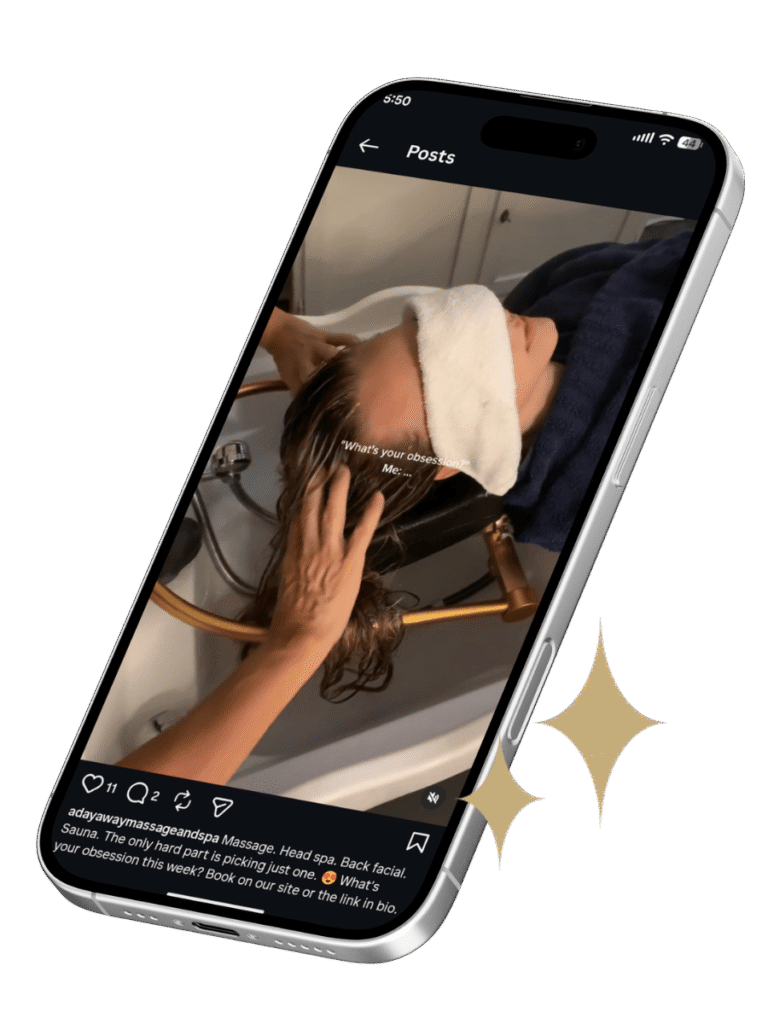
Content ideas that work well:
- Behind-the-scenes clips of your process, space, or team
- Before-and-after transformations relevant to your service
- Quick tips or educational content your audience would find genuinely useful
- Client or customer spotlights (with permission)
- Seasonal or promotional content tied to what you’re currently offering
- Carousel posts for step-by-step content, myth-busting, or showcasing multiple products
A few things to keep in mind: You don’t need professional equipment. Natural lighting and a clean background go a long way. Authentic content consistently outperforms super polished brand content on this platform. And don’t obsess over hashtags. The algorithm now reads your content contextually, so keyword-rich captions matter more than stuffed hashtag lists.
Best for: Local businesses, service providers, community-oriented brands, and businesses targeting a slightly older demographic.
Facebook’s organic reach for business pages has declined significantly over the years, but that doesn’t mean it’s not worth maintaining a presence. Your page still serves as a credibility signal. People check it to confirm you’re a real, active business before reaching out. Keep your information updated, post consistently, and respond to messages and reviews promptly.
Where Facebook still genuinely shines for small businesses is in Groups. Facebook Groups focused on specific topics, interests, or local communities can be a powerful way to build relationships with a niche audience without a single dollar of ad spend. You can create your own group to build a community around your brand, or participate authentically in existing groups where your target customers are already spending time.
Content ideas that work well:
- Community-focused content that resonates locally
- Customer testimonials and reviews
- Event announcements and promotions
- Behind-the-scenes and team content
- Educational posts relevant to your industry
- Giveaways and interactive posts that encourage engagement
TikTok
Best for: Businesses trying to reach a younger demographic, brands with personality, educational content creators, and anyone willing to show up on camera regularly.
TikTok’s algorithm is uniquely powerful for organic discovery. Unlike most platforms where your content is primarily shown to people who already follow you, TikTok actively surfaces content to new audiences based on watch time and engagement. That means a brand new account with zero followers can reach thousands of people with the right video.
The format that works on TikTok is short, engaging, and gets to the point fast. The first two seconds of your video determine whether someone keeps watching. Content that educates, entertains, or surprises tends to outperform anything that feels like a traditional advertisement.
Content ideas that work well:
- Quick tips and educational snippets relevant to your industry
- “Day in the life” content showing what running your business looks like
- Trending audio or format with a relevant spin for your niche
- Honest, relatable takes on the challenges of your industry
- Product demonstrations or transformations
YouTube
Best for: Businesses with products or services that benefit from demonstration, educators, service providers who want to build deep authority in their space, and anyone investing in long-term SEO.
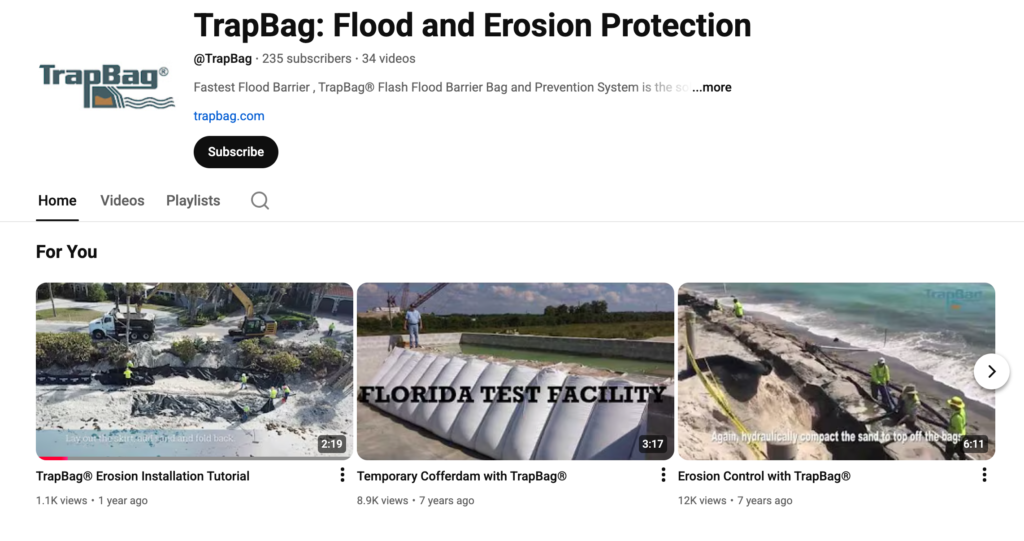
YouTube is a search engine, not just a social platform. Videos on YouTube get indexed by Google and can drive organic traffic for years after you publish them. That long shelf life makes it one of the higher-ROI content investments for the right type of business, even if it takes longer to build an audience.
Long-form content works here in a way it doesn’t on other platforms. Tutorials, how-tos, in-depth explainers, and client testimonials all perform well. The tradeoff is production time… YouTube content typically requires more planning and editing than a quick Reel or TikTok.
Content ideas that work well:
- Step-by-step tutorials relevant to what you offer
- Product demonstrations or unboxings
- Client testimonials and case studies
- Behind-the-scenes or process videos
- FAQ videos that answer the questions you get most often
- Educational series that build authority in your niche
Tag your videos with relevant keywords, write descriptive titles and thumbnails that make people want to click, and engage with comments to build your community.
Best for: B2B businesses, service providers, consultants, freelancers, and anyone whose clients are other professionals or business owners.
LinkedIn has become one of the most powerful organic reach opportunities available right now, particularly for personal profiles. Here’s the thing that surprises a lot of people: personal LinkedIn profiles consistently outperform company pages in reach and engagement by a significant margin. People connect with people on LinkedIn, not logos.
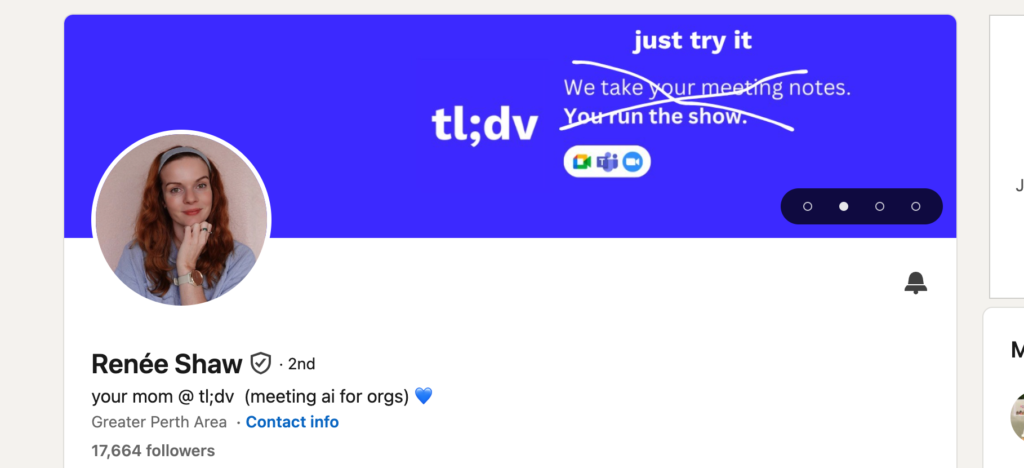
If you’re a small business owner or freelancer, your personal LinkedIn profile is your most valuable asset on this platform. Post from your personal account, share your perspective and expertise, engage with others in your industry, and use your company page as a supporting presence rather than the main event.
Content ideas that work well:
- Thought leadership posts that share your take on industry trends or changes
- Lessons learned from client work (without sharing confidential details)
- Behind-the-scenes of how you approach your work
- Data, results, or case study highlights
- Honest takes on challenges in your industry
- Celebrating client wins and milestones
Keep your hashtag use minimal on LinkedIn, and focus on writing captions that start strong enough to make someone click “see more.”
Threads
Best for: Conversational brands, businesses with a strong point of view, and anyone who enjoyed Twitter before it became X.
Threads is still finding its footing, which actually makes it a low-pressure place to show up. The format rewards conversational, text-based content with some personality. It’s less visual than Instagram, less professional than LinkedIn, and more casual than most platforms. If you have opinions, observations, or behind-the-scenes thoughts to share in a more unfiltered way, Threads is worth experimenting with.
Content ideas that work well:
- Quick takes on your industry
- Honest observations about running a small business
- Asking questions and starting conversations
- Repurposing longer content into bite-sized thoughts
Since Threads integrates with Instagram, your existing Instagram audience can find you there easily.
Reddit and Niche Communities
Best for: Businesses in specialized niches, thought leaders, and anyone whose audience has a dedicated online community.
Reddit doesn’t get enough credit as a marketing channel for small businesses. Subreddits focused on specific industries, hobbies, or interests can be goldmines for connecting with a highly targeted audience, but only if you approach them the right way. Reddit communities are notoriously protective of their spaces and will shut down anything that smells like self-promotion fast.
The approach that works is to genuinely participate. Answer questions, share useful information, contribute to conversations without an agenda. Over time, being a helpful and knowledgeable presence builds credibility that no ad could buy. When it’s appropriate and relevant, you can mention what you do, but the value has to come first.
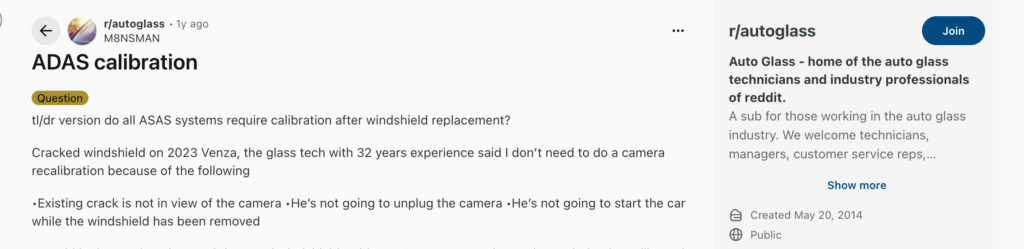
Beyond Reddit, look for niche communities on Facebook, Discord, and industry-specific forums where your target customers are already gathering.
Consistency Over Volume
Whichever platforms you choose, the single most important thing is to show up consistently.
Pick a sustainable cadence, build it into your routine, and stick to it. Use a simple content calendar (even a basic spreadsheet) to plan a few weeks ahead so you’re not scrambling for ideas every time you sit down to post.
And remember: social media is a long game. The businesses seeing the best results are the ones who have been showing up consistently for years, not the ones who went viral once and expected it to sustain them.
Good ideas are just the beginning.
Let's make something real out of them together.
