There is no shortage of small businesses running on a website that was built in a different era of the internet. Maybe a friend of a friend put it together years ago. Maybe you had it professionally designed and then never really touched it again. Maybe it technically works, but it hasn’t been updated since before you can remember.
If that sounds familiar, this post is for you.
Your website is your most important marketing asset. It’s open 24 hours a day, seven days a week, and for a lot of potential customers it’s the very first impression they have of your business. If that impression is outdated, slow, or hard to use, they are moving on to someone else. Here are the questions worth asking yourself to figure out if your site is helping you grow or quietly holding you back.
Is Your Website Mobile-Friendly?
Mobile devices now account for roughly 50 to 60% of all global web traffic, according to StatCounter’s most recent data. That means more than half of the people visiting your website right now are doing so on a phone. If your site isn’t optimized for that experience, you are creating friction for the majority of your visitors before they even read a single word about what you do.
Pull up your website on your phone right now. Is it easy to read? Does the navigation work? Does anything overlap or cut off? Can you find your contact information or your booking link without zooming in or scrolling sideways?
And here’s the SEO piece that makes this even more urgent: Google switched to mobile-first indexing, which means it evaluates the mobile version of your site when determining how to rank you. If your mobile experience is poor, your search visibility is suffering for it.

Free tool: Bing’s Mobile Friendliness Test Tool will tell you how your site performs on mobile and flag any specific issues to address.
Does Your Website Load Fast Enough?
Page speed is one of those things that feels like a technical detail until you realize it’s directly affecting how many people stay on your site and how Google ranks you.
Research consistently shows that most mobile visitors will leave a page that takes longer than three seconds to load. Nearly half of all users expect a page to load in two seconds or less. Every additional second of load time reduces user satisfaction and increases the likelihood that someone bounces before seeing anything you offer.
Speed is also a confirmed Google ranking factor. Slower sites rank lower, full stop.
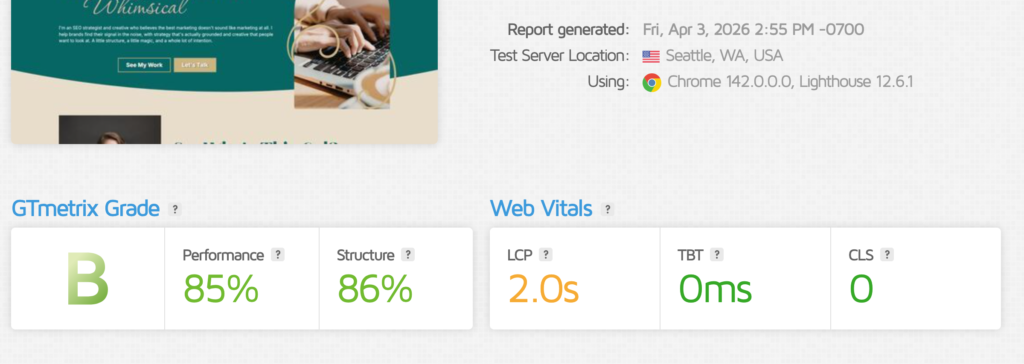
Free tools: Google PageSpeed Insights and GTmetrix will both analyze your page speed and give you specific, actionable recommendations for improving it. Run your homepage and your most important service or product pages through both.
Does Your Website Show Up in Search?
You can have the most beautiful website in the world, and if nobody can find it, it’s not doing anything for your business.
This is where having Google Search Console set up is non-negotiable. It tells you which of your pages are indexed, what keywords you’re showing up for, how many people are clicking through to your site from search, and whether there are technical errors preventing pages from being discovered.
If you haven’t set it up yet, it’s free and worth doing today. I have a full guide on getting started with GA4 and Google Search Console if you want to walk through the setup step by step.
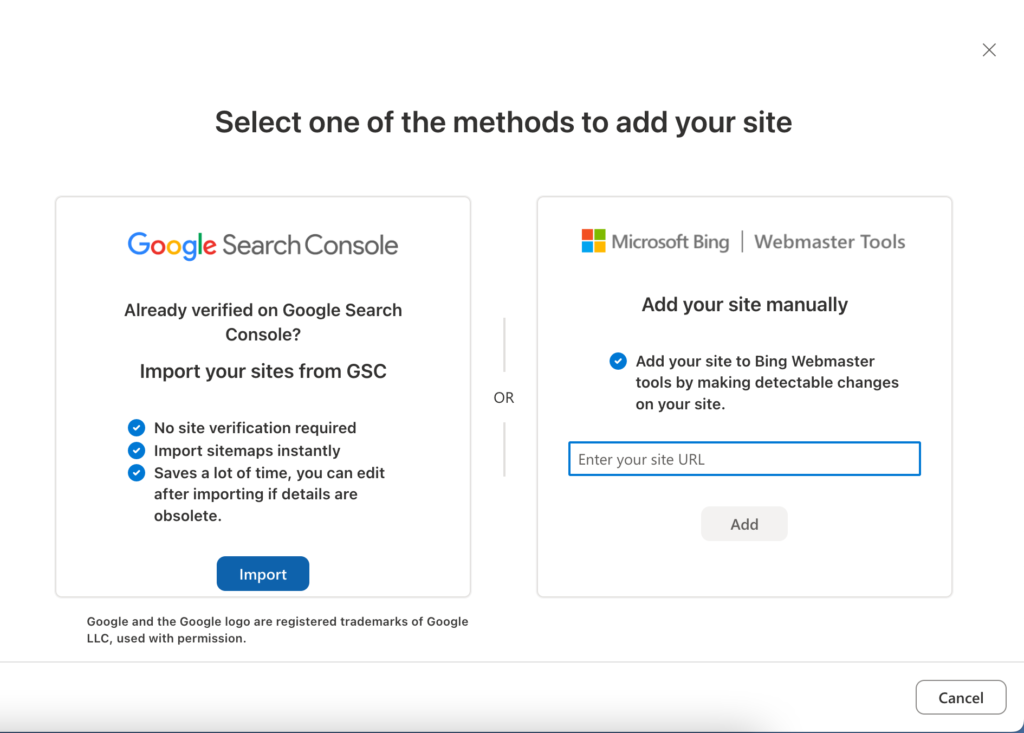
While you’re at it, don’t overlook Bing Webmaster Tools. With AI tools like ChatGPT pulling data from Bing’s index, your visibility on Bing matters more than it used to. It takes about two minutes to set up if you already have Search Console running.
How Does Your Site Stack Up Against Your Competitors?
When did you last visit your competitors’ websites? If you did a side-by-side comparison right now, would yours hold up?
Your website functions as a storefront that is open around the clock. Potential customers are constantly looking for solutions to their problems, and they are comparing options. If your site looks dated or is harder to navigate than your competitor’s, it signals something about your business even if it’s not true.
This doesn’t mean you need to constantly be redesigning. But you do need to be paying attention. Most experts recommend refreshing your website every two to three years at minimum, not necessarily with a full overhaul, but with intentional updates to design, content, and functionality that keep it current.
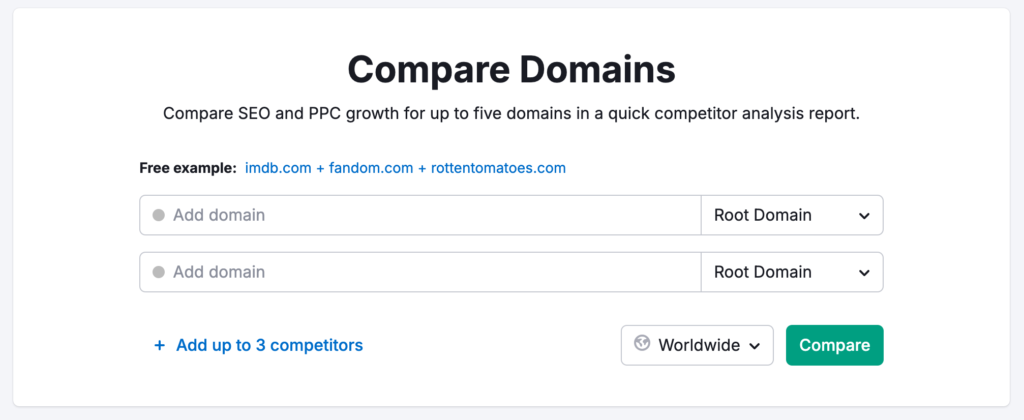
Free tool: SEMrush’s Compare Domains tool estimates the traffic your competitors or similar websites are getting. You can use it to see how your site compares to competitors in your space and identify keyword and content gaps worth closing.
Does Your Website Accurately Reflect Who You Are Now?
This one is harder to measure with a tool, but it might be the most important question on this list.
Businesses evolve. Your offerings change, your audience shifts, your brand matures. If your website still reflects who you were three or four years ago, it creates a disconnect between the experience you deliver and the impression you make before someone ever contacts you.
75% of people judge a business’s credibility based on its website design, according to research from Stanford. That judgment happens fast too. Users form an opinion about a website in roughly 0.05 seconds.
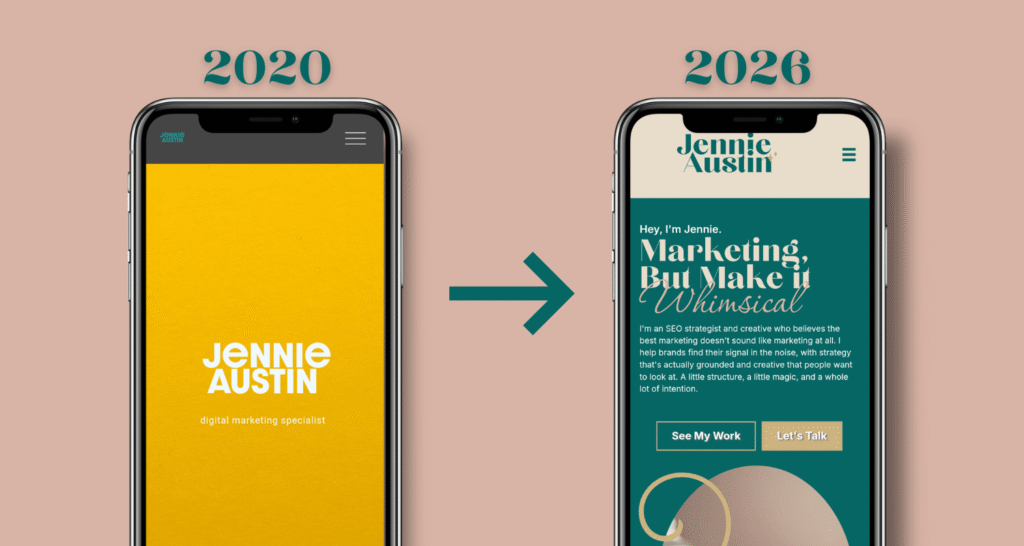
Ask yourself honestly: if a brand new potential customer landed on your homepage right now, would it tell the right story? Does it communicate what you actually offer, who you serve, and why someone should choose you? Does the visual feel match the experience of working with you?
If the answer to any of those is “not really,” it’s time to do something about it.
One More Thing
Your website is increasingly being evaluated not just by human visitors but by AI-powered tools that are shaping how people discover businesses. Search experiences powered by AI pull from indexed web content to answer questions and make recommendations. Sites with clear, well-organized, current content that loads quickly and works on mobile are the ones that get surfaced. Outdated, slow, or thin sites get left behind.
The good news is that most of what makes a website perform well for humans also makes it perform well for search engines and AI tools. Fast, clear, mobile-friendly, and genuinely useful. That’s the goal.
Good ideas are just the beginning.
Let's make something real out of them together.
